I have something to confess. It took me writing three aimless first drafts before I realized my drafting strategy wasn’t working for me.
Not only did this result in more work for me in the long run, it also meant that a lot of the first draft I’d create was underdeveloped. By using my first draft as my outline, I was often burning out from story fatigue before I even had finished a coherent draft.
The debate between plotters and pantsers is endless. I don’t believe there is one way that’s better than another; everyone has a writing technique that works for them. But, if you find yourself like I did—realizing that the strategy I was using wasn’t the most efficient use of my time or energy, perhaps this guide can give you an idea of a new way to write.
Step 1: Character Outlines
Before I do any official plotting, I get to know my characters. Why? Because good stories don’t happen TO characters; they happen BECAUSE of characters.
What I mean by that is this: If your plot could happen to any character and nothing about the story would change, you simply have a random assortment of plot points. You are missing the crucial heart of your novel, the thing that gives it meaning.
To find this, you first have to ask yourself, why this story for this character? What about your character compels them to make the decisions they do?
Which is another reminder—make sure that your protagonist is making decisions. Oftentimes I find that in my early drafts, things are happening to my characters, but not the other way around. Things need to happen because of the choices your protagonist makes.

So if you haven’t already, grab your pen and some paper. It’s time to sketch our character outline.
Start by drawing a circle in the center of your paper and write down your protagonist’s name in the middle. Include first and last name, and any additional nicknames they may use.
If you have multiple protagonists, you should complete a character outline for each of them. (I know, this can be tedious. But it is especially important for multi-POV stories that you have a clear sense of direction and purpose for every character.)
Now that you have the character’s name, we are going to draw three circles around this middle circle. I like to do them in a triangle shape and connect them to the center circle, like so:
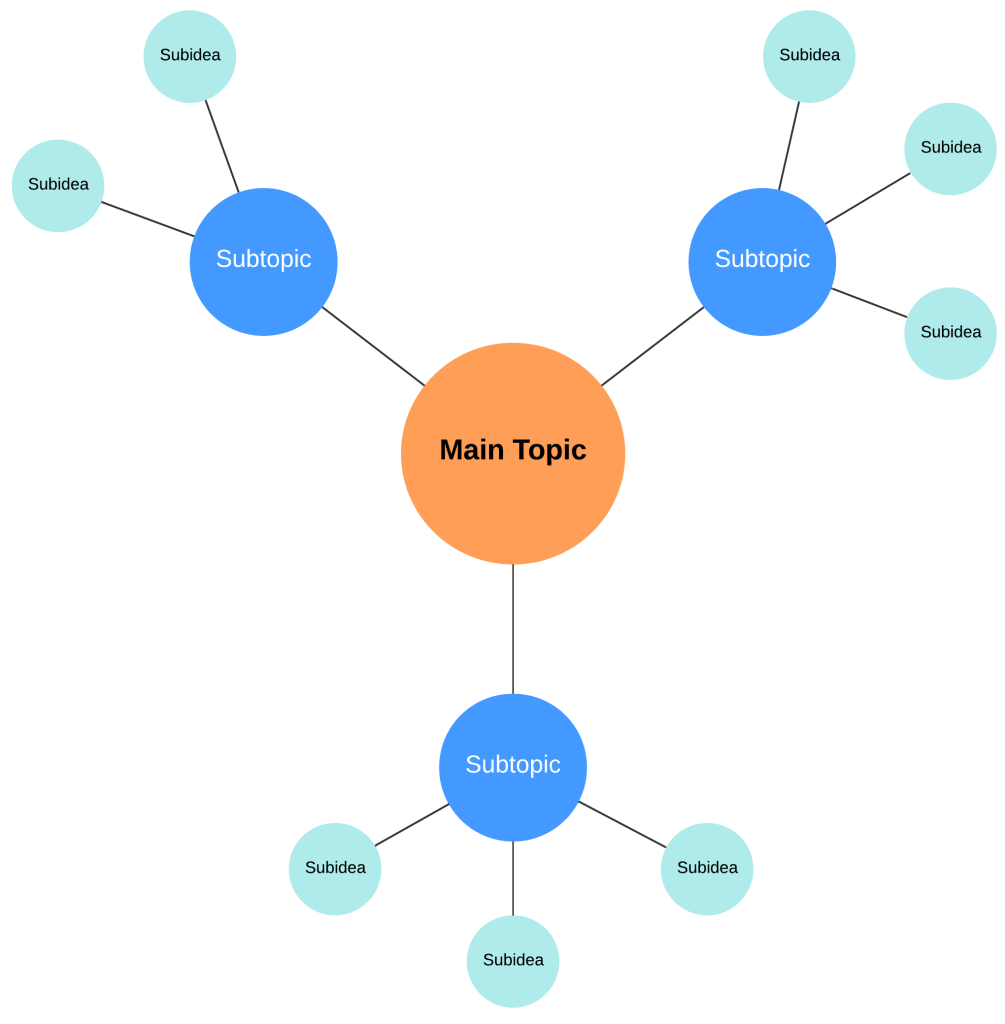
Now that we have the shapes drawn, let’s start filling them in.
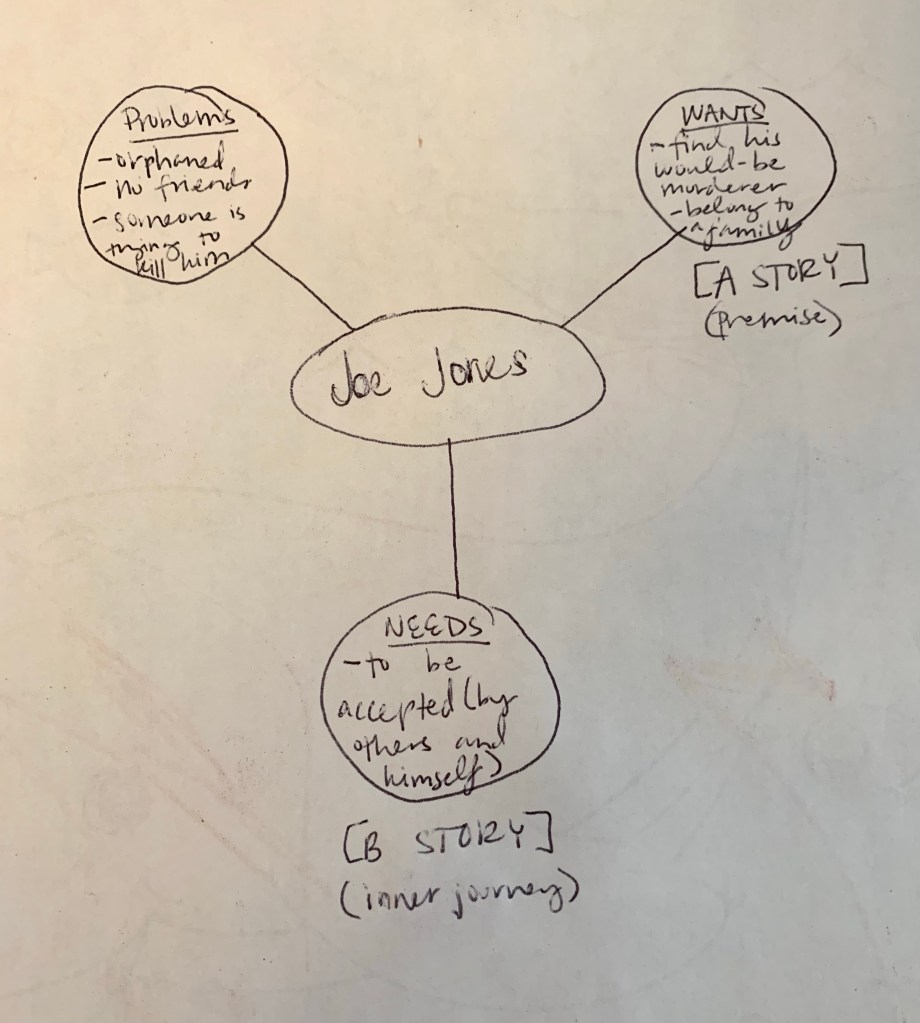
Label the first circle branching from your main character as “Problems”. This is where you will write down the main plot points that happen to your character. The more problems you can give your character, the better!
Some ideas to get started: What obstacles stand in their way to accomplish the end goal? What traumas are they shouldering from their past? What aspects about their personality prohibit them from achieving their dreams? What is holding them back?
Now that we have our problems, we’re going to move on to the second circle. This is where we identify our protagonist’s “Wants”. What is the end goal they are working so hard to accomplish? What is the end of the novel? What will signify to the readers that your character has achieved all that they want to achieve?
Below this circle, I like to make a note that this is what we call the “A Story”, or premise of the novel. This is what we often think of as the plot.
Ready? Because this last circle is where things get really exciting. In your final circle, label it “Needs”. This is what will make the heart of your book and solidify your choice for having this character as your dynamic protagonist.
This is where you will identify the “B Story”, or inner journey your character is going through. What makes your protagonist tick? What need are they so craving that drives them forward through this elaborate plot you are creating? What are they deficient in when we first meet the character at the beginning of the book?
This inner journey will transform your entire story. This is what connects our protagonists to readers and makes them say, “I identify with this character”. It’s what turns a good book into a great one.
You’ll notice that nowhere in these outlines did I focus on the physical aspects of my character. By all means, write these details down somewhere too. But when plotting the heart of your book, the core of our character will be vastly more important than how they present themselves.
When you’re finished, you should have something that looks like this:
Step 2: Beat Sheet
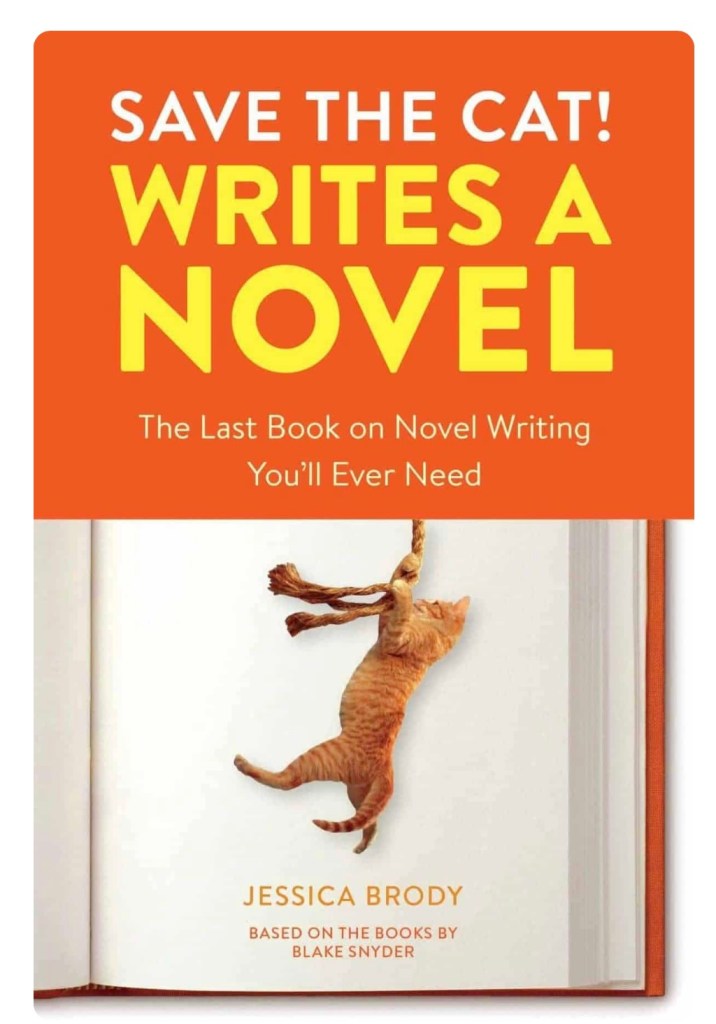
Are any of you familiar with the book “Save the Cat! Writes a Novel”? If not, I suggest picking up a copy. I also recommend grabbing some notecards and a big bulletin board. We’re about to start crafting our novel, and it’s going to get messy.
I want to make a note here that it’s not necessary to always plot out every scene from beginning to end before you start crafting your book. For some, that may work. For others, that seems incredibly tedious when you yourself are still creating plot points.
So what are the non-negotiables? In my opinion, there are six things every writer should absolutely know before they start drafting, and you can fill in the rest of the gaps later.
(For a step-by-step guide to fill in the rest of the scenes, pick up a copy of Save the Cat! Writes a Novel. They also have great examples if anything from this post isn’t clear.)
1. Sandwich Scenes
What do I mean by this? The whole heart of a novel is the transformative journey for your protagonist (as I already mentioned in the character outlines).
Your sandwich scenes, as I like to call them, are the scenes at the beginning and end that sandwich the rest of your story. They’re the bread at the two ends of the sandwich, if you will. In this way, they mirror each other.
Your opening scene needs to tell us where your protagonist is starting out. How are they before they go on this epic journey? They still haven’t accomplished their wants or needs at this point, and we need to see how that’s affecting them and their lives.
The closing scene is the culmination of their story. It should mirror your opening scene in some way, and show us how your character has evolved now that they’ve accomplished their wants and needs.
Identifying your sandwich scenes is a great place to start your outlining so you have a clear idea of where you’re starting and where you need to go.

2. The catalyst.
This is what will launch your protagonist into the thick of the plot. What is the point where there is no going back to the life they lived before? What will force them to go through uncomfortable changes and chase their wants and needs? The catalyst usually occurs anywhere between 10-30% of the way through the book.
3. The midpoint.
The true halfway mark of the book. Usually after a series of plot points, our characters experience either a false victory or a false defeat. Either way, they realize they are not quite where they need to be.
4. Sh!t Hits the Fan.
This is the point of the book towards the end where absolutely everything goes to crap. Your protagonist is about to give up. They want to throw the towel in, go back to their old lives, and pretend nothing ever happened to them.
5. The resolve.
By this, I don’t mean how the book resolves. I mean how your protagonist will find their resolve and the will to go on, even in the face of defeat. This occurs right after the breaking point.
6. Your finale!
How will the plot be solved? You don’t need all the details right now, but you will need to know generally how the problems you’ve created can be fixed. How will your character achieve everything they need to achieve?
If you’ve made it through these six scenes, congratulations! You made it through your initial outline. Pin these scenes up to your bulletin board and pull out your computer. It’s time to get drafting!
Step 3: Drafting
The best thing to keep in mind while writing your first draft is this— it’s only a first draft.
You’ll inevitably go through many iterations of your novel. When the first draft is done, you’ll have edits, alpha-readers, beta-readers, and editors to help you mold your book. By the end, you’ll likely have written something completely unrecognizable to this first draft.
But the important thing is to start. Don’t get too hung up on the things you don’t know. Work with what you have, and the rest will come.
Can’t figure out how to connect one scene to the next? That’s ok. Write a reminder to yourself to circle back and figure it out later.
Not in love with the timeline of your scenes? Want to move up the introduction of a character or plot device sooner? Revisit your beat sheet. This is why I recommend writing a notecard for every chapter you create and sticking it on your bulletin board. This way you can easily see your novel outline and shuffle things around as needed.
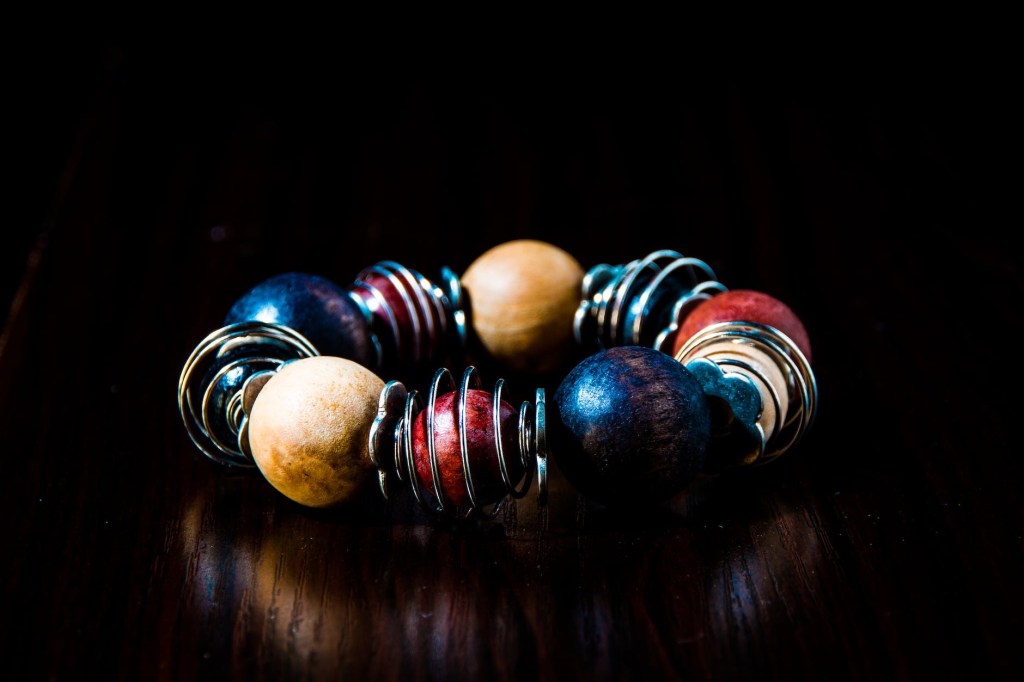
The most important thing to remember while drafting is that each scene needs to lead to the next. There should be connections. Your scenes are not loose beads rattling around in a container; they are strung side by side, one after the next, to create a beautiful and unique piece of jewelry.
If you keep these tips in mind, not only will you save yourself time muddling through a barely coherent first draft, you will have a clear and concise draft that leads to easier and more polished edits in the future. You will have created an unputdownable story that draws your readers in and gives them characters they relate to.
As always, the method that works for you is the best one. Writing isn’t a one-size-fits-all. The most important thing is that we writers get our stories out of our brains, onto the pages, and into the world.
Happy writing!

If you enjoyed this article, consider subscribing! I share writing tips on my blog and here on Medium.


Leave a Reply